Back to all 15 disaster case studies
1943 · 173 Lives LostAir-raid shelter · London, England Lesson 1 of 15
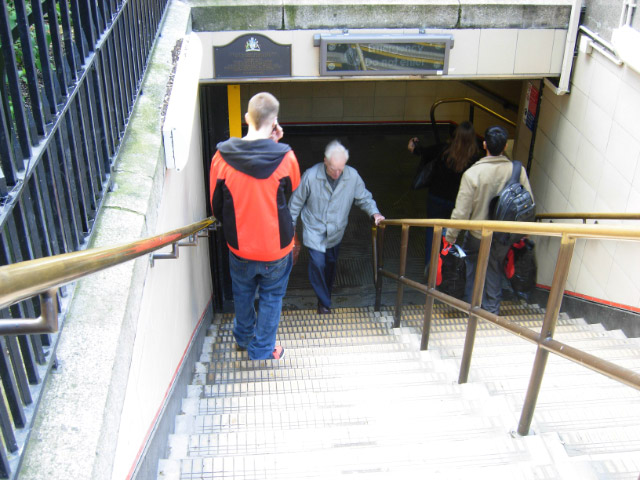
Bethnal Green (1943): Case Study & Safety Analysis
One woman tripped on a dark staircase. 173 people died - because nobody behind could see why the crowd had stopped.
Background & Historical Context
During the Second World War, Londoners used Underground stations as nightly air-raid shelters to escape German bombing. Heading down into the Tube was a familiar, routine act of wartime survival for East End families — which is why so many, including many women and children, were funnelling into Bethnal Green that night. The new, unfamiliar sound of anti-aircraft rockets is what sparked the sudden rush.
Why this incident matters to event managers today:In a dense crowd, the people causing the deadly pressure usually can't see the danger they're creating. They aren't panicking or malicious — they simply don't know the front has stopped. This is why staff with eyes on the whole flow, and the power to hold people back, save lives.
Bethnal Green
Air-raid shelter · London, England · 1943
173 lives lost
One woman tripped on a dark staircase. 173 people died - because nobody behind could see why the crowd had stopped.
Next Case Study Lesson
Continue Learning: Ibrox (1971)
A last-minute goal sent fans surging back up the exit stairs - straight into the people still leaving.